
Effective marketing begins with evidence about what customers value, not assumptions about what they should value. Research can reveal the needs people are trying to meet, the motivations behind their choices, how and when they buy, and the obstacles that make a purchase difficult. It can also clarify decision criteria, such as price, convenience, reliability, service, or compatibility with existing products. These findings help organizations shape positioning and messages around concerns that matter in real situations, reducing wasted effort on claims or offers that do not influence decisions.
Choose research methods according to the question being asked. Customer interviews can uncover language, context, and motivations; surveys can measure how common particular preferences are across a larger group. Focus groups may help explore reactions to early concepts, while behavioral and sales data can show what people actually do, including where they abandon a process or which products they repurchase. Review mining provides direct accounts of satisfaction and frustration, and competitor research helps identify established alternatives, category expectations, and unmet needs. Each method offers a different perspective, so combining sources can provide a more balanced view.
Begin by defining a focused research question, such as why qualified prospects delay a decision or which benefit most affects repeat purchase. Then select methods, participants, and measures suited to that question. Gather evidence consistently, record how it was collected, and avoid leading prompts that steer respondents toward a preferred answer. Protect privacy, obtain appropriate consent, and use customer information only for clearly stated purposes. When interpreting results, look for patterns across people and sources rather than treating a vivid comment as representative. Compare stated preferences with observed behavior where possible, and note uncertainty or conflicting evidence. The goal is not to accumulate data, but to translate reliable findings into actionable choices about product, audience, positioning, and communication. Teams should identify what the evidence suggests, what remains unknown, and what practical test could validate the next decision. This keeps research useful, proportionate, and connected to marketing outcomes.
Before selecting a marketing position, build a grounded picture of the market. Estimate its size using relevant sources, such as industry reports, public data, customer records, and interviews, while noting how each estimate was calculated. Examine trends that may affect demand, including changes in technology, regulation, spending, or customer expectations. Separate broad market potential from the portion the organization can realistically serve. Record uncertainties rather than presenting estimates as established facts, and test important assumptions against more than one source where possible.
Segment potential customers in ways that reveal meaningful differences in needs and decision-making. Useful approaches include grouping people by the problem they need to solve, their purchasing or usage behavior, demographic characteristics, the context in which they seek a solution, or their willingness to pay. Segments should be identifiable and reachable, not merely descriptive. Assess each for likely demand, growth, competitive intensity, acquisition and service costs, and expected revenue. Then consider accessibility: whether the organization can reach the group through available channels and earn its attention. Finally, evaluate fit with capabilities such as product features, expertise, capacity, and budget. A promising segment is not automatically viable if serving it requires resources the organization does not have.
Competitive analysis should include both direct rivals and substitute solutions. Customers may address the same need with another product, an internal process, a different provider, or no purchase at all. For each alternative, compare its target audience, core promise, pricing, distribution, and observable strengths. Look for limitations or needs that appear poorly served, but distinguish evidence from interpretation: customer feedback, product reviews, sales conversations, and publicly available offers can help validate a gap. Avoid assuming that a competitor’s silence signals an opportunity or that a stated customer preference will translate into buying behavior. Check whether people encounter the problem often, whether existing options disappoint them, and whether they would consider a different approach. Combining market evidence, segment attractiveness, and competitive gaps helps identify realistic positioning opportunities and shows where further research is needed before committing resources.
Positioning is the deliberate choice of how a brand or offering should be understood by a specific audience relative to alternatives. It is more than a slogan: it guides product priorities, customer experience, and communication. Begin by selecting a priority audience whose needs the business can serve well. Research its context, motivations, constraints, and current solutions through interviews, usage data, and market analysis. A clear audience definition helps identify which needs matter most and where the offer can make a meaningful difference.
Next, define the problem the offer solves and why the audience might choose it over other options, including doing nothing. A credible point of difference should be relevant to customers and supported by something the business can demonstrate. Evidence may include distinctive product features, a more reliable service experience, specialist expertise, or measurable customer outcomes. Distinction does not require claiming to be unique in every respect; it requires explaining a valuable advantage clearly and substantiating it with proof customers can assess.
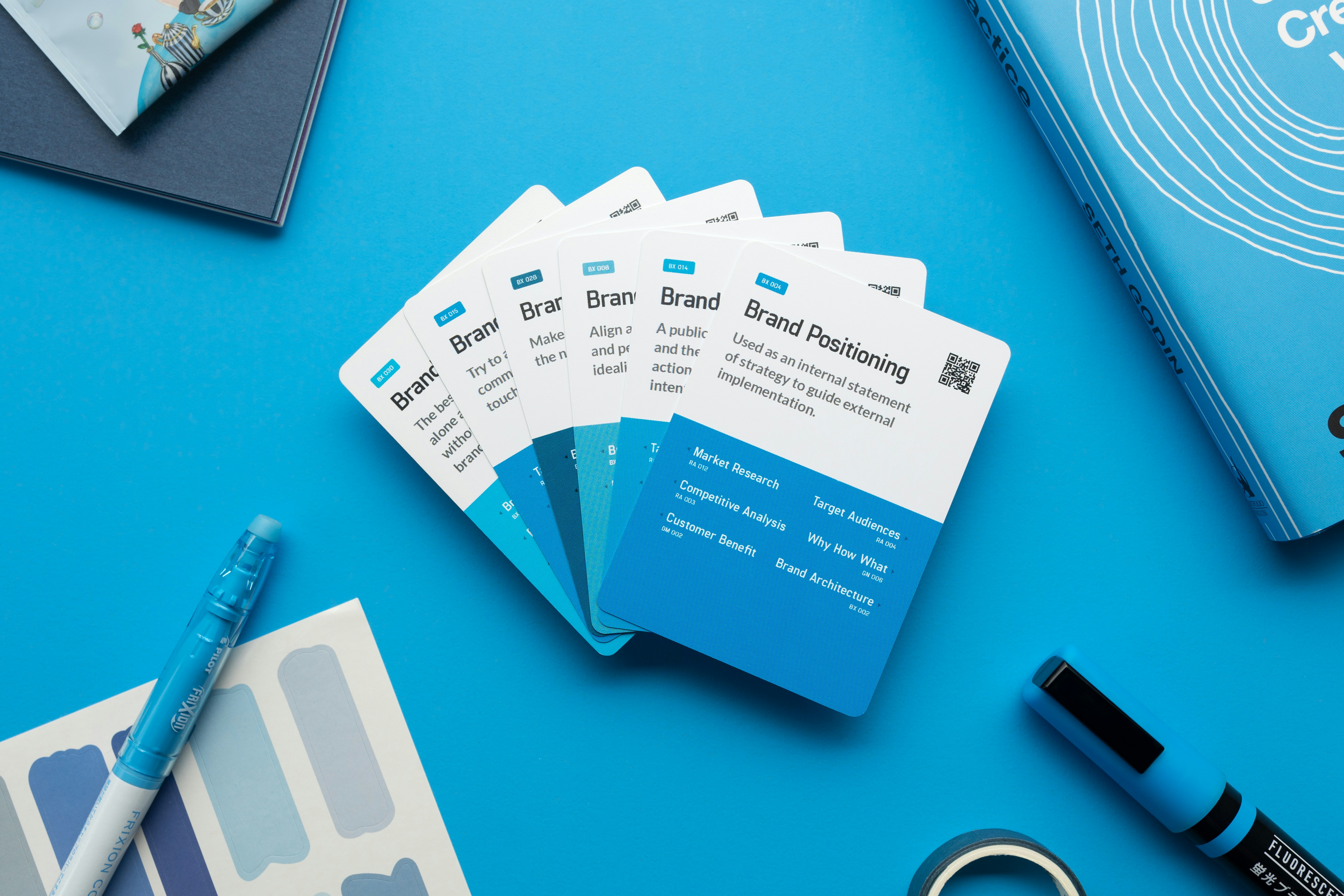
Capture the strategic choice in a concise positioning statement for internal use. A practical format identifies the priority audience, its need, the category or context, the main benefit, and the reason to believe the claim. Use this statement to shape an external value proposition: a customer-facing explanation of what is offered, who benefits, and why it is worth considering. Then organize messaging into a hierarchy, with the central promise first, followed by supporting benefits and specific evidence. This structure helps teams communicate consistently across channels while adapting detail to each audience and situation.
Several pitfalls weaken positioning. Vague claims such as “high quality” or “innovative” offer little meaning without specific evidence. Trying to appeal to everyone often makes the offer less relevant to anyone in particular. Copying competitors obscures the brand’s own strengths and can lead to undifferentiated messaging. Finally, avoid promising benefits the business cannot reliably deliver: unmet expectations damage trust and may undermine future marketing. Review positioning as customer needs, alternatives, and capabilities change, but keep the core choice stable enough for audiences to recognize and remember it.
A positioning strategy becomes useful only when it guides everyday marketing decisions. Translate the chosen promise, audience, and distinction into consistent choices about messaging, channels, pricing, product presentation, and customer experience. Messaging should express the value customers can expect and provide credible reasons to believe it. Channel selection should reflect where the intended audience seeks information and makes decisions, while pricing and packaging should reinforce the offer’s intended value rather than contradict it. Product pages, demonstrations, service interactions, and onboarding should all make the position tangible. These choices help customers recognize a coherent offer across the full journey, not just in advertising.
Treat positioning assumptions as hypotheses, then seek evidence before broad investment. Message tests can reveal which benefits and proof points resonate; customer interviews can uncover language, unmet needs, and objections. Landing-page or campaign experiments show whether a promise earns attention and action among relevant audiences. Sales feedback identifies recurring questions, competitive comparisons, and points where prospects disengage. Early customer responses, including onboarding questions and support requests, indicate whether the delivered experience matches expectations created by marketing. Use several methods because stated preferences may differ from actual behavior. Define the audience, test, and decision threshold in advance, and compare results across meaningful segments. This makes validation a disciplined learning process rather than a search for evidence that merely confirms the preferred position.
Track measures against strategic questions. Awareness asks whether target buyers recognize the offer; consideration shows whether it enters their shortlist. Qualified leads test audience and message fit, while conversion reveals whether the promise supports action. Retention indicates ongoing value delivery, and perceived differentiation shows whether customers see a meaningful distinction. Review evidence regularly with marketing, sales, product, and service teams. Preserve a consistent core position, but adjust its expression when customer needs, competitors, or market conditions change.